Thomastown Recreation and Aquatic Centre: Pools, Classes and Visiting Information
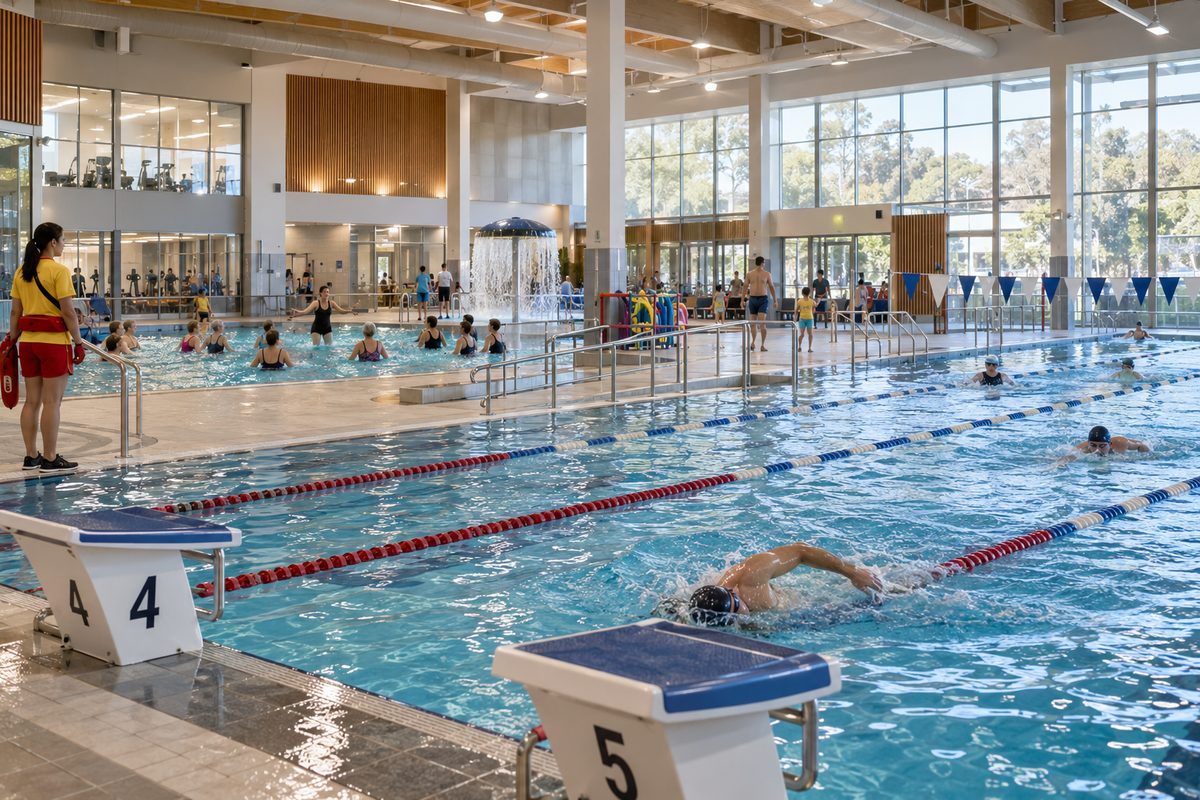
Thomastown Recreation and Aquatic Centre is the main public leisure centre for the suburb, and it works best when you match one clear goal to one clear time slot. It is run for the City of Whittlesea and sits in Thomastown, Victoria, in the northern suburbs of Melbourne. It combines pools, group classes, a gym and recovery space under one roof. That mix is the whole appeal. You can swim, train and unwind in a single trip without driving across town.
Most visitors turn up with a vague plan, find the lane they wanted is busy, and leave annoyed. This guide fixes that. It covers what each area is for, which classes suit which person, and how to plan a first visit that goes well. Always check the centre's current timetable and prices before you go, because programs change by season.
What Does the Centre Actually Offer?
It is a full leisure centre, not just a place to swim laps. The core offering is simple: water space, a fitness floor, scheduled classes and a recovery area. Each part serves a different type of visitor.
The water side covers lap swimming, learn-to-swim programs and casual play. The dry side covers the gym and group fitness. The recovery side, which includes a steam bath, is where many regulars end their session.
Here is the thing most guides miss. The centre is a community hub as much as a gym. Families, older adults, school groups and serious swimmers all share it. Your experience depends less on the building and more on when you walk through the door.
I know this because one of my clients, a woman in her fifties who had not exercised in years, tried a Saturday morning visit first. It was loud, crowded and stressful. She nearly quit. When she switched to a quiet weekday slot, she kept going for months.
How Do the Pools Work for Different Swimmers?
A swimming pool at a public centre serves several groups at once, so lanes and zones matter. Fast swimmers want marked lanes. Beginners want shallow, calm water. Parents want space where kids can splash safely.
Swimming is one of the kindest forms of exercise on the body. The water holds your weight, so your joints take less load. That is why it suits people with sore knees, bad backs or a long break from training.
Use the pool for what it does best:
- Lap swimming if you want steady cardio and a clear routine.
- Learn-to-swim programs if you or your child need real technique.
- Casual family time if the goal is fun and confidence in water.
When we plan a pool routine with a new swimmer, I tell them to start with twenty minutes, not an hour. Short, easy sessions build the habit. Long ones build dread. Add five minutes each week and you will be at forty minutes before you notice.
Lane etiquette is simple. Pick the lane that matches your speed. Circle swim when two or more people share a lane. Let faster swimmers pass at the wall. Following these basics keeps everyone calm and keeps you welcome.
Which Classes Are Worth Trying First?
Start with the class that matches your energy level today, not the one that sounds most impressive. Group classes are the fastest way to build Physical fitness because someone else sets the pace and you simply follow.
Water aerobics is the best first class for most beginners. It gives you resistance from the water, a gentle workout for the heart and almost no impact on your joints. People often assume it is only for older adults. It is not. I have seen young adults recovering from injury sweat harder in water aerobics than they expected.
Here is how to pick:
- If you are returning after a long break, try water aerobics.
- If you like music and movement on land, try a group fitness class.
- If you want to improve your stroke, book a swim session or lesson with a coach.
Do not judge a class by one visit. The first session feels awkward for almost everyone. You do not know the moves, you are watching the clock and you wonder if others are looking. They are not. Give any class three visits before you decide.
Is the Gym Useful for Strength Training?
Yes. A leisure centre gym is a solid place to begin strength training, especially if you have never lifted before. You get machines that guide your movement, free weights when you are ready and staff who can show you the basics.
Strength training matters more than most people think. It protects bone density, keeps your metabolism up and makes everyday jobs like carrying shopping feel easier. It also pairs well with swimming. The pool builds endurance and the weights build power.
One of my clients, a tradesman in his forties, used the gym twice a week and swam once. His back pain eased within two months. He did not need a complicated plan. He needed regular sessions and a simple routine.
A starter routine that works:
- Warm up for five minutes on a bike or rower.
- Do one machine or weight exercise each for legs, chest, back and shoulders.
- Aim for two sets of ten reps, with a weight that feels hard by the last few.
- Finish with light stretching.
Ask for an induction if one is offered. A short walkthrough of the equipment saves you from bad form and wasted sessions.
What About the Steam Bath and Recovery?
A steam bath is a reward and a recovery tool, not a workout. Warm, damp air relaxes tight muscles and slows your breathing after a hard session. Many regulars treat it as the last stop of their visit.
Use it well. Go in after you swim or train, not before. Stay for a short stretch, step out, drink water and cool down. If you have a heart condition, high blood pressure or you are pregnant, speak to your doctor before using steam or sauna spaces.
What I found was that people who include a few quiet minutes of recovery stick with exercise longer. The visit feels like a treat, not a chore. That small shift changes behaviour. You start looking forward to the trip.
Check the current rules for the wet area before you go. Access, age limits and opening times can differ from the main pool, and some spaces close for cleaning or maintenance.
What Should You Know Before Your First Visit?
Plan the practical details the night before, and the visit will feel easy. Most first-timer stress comes from small things: not knowing where to park, what to bring or how entry works.
Pack these items:
- Swimwear and a towel.
- Goggles and a swim cap if you plan to swim laps.
- A water bottle.
- A padlock or coin for the lockers, if needed.
- Indoor shoes and a change of clothes if you plan to use the gym.
Arrive ten to fifteen minutes early. That gives you time to find reception, ask about entry options and change without rushing. Ask about casual entry, multi-visit passes and memberships. If you plan to come more than once a week, a membership usually costs less than paying each time. Check this with the centre, since prices and plans change.
Getting there is straightforward. The centre sits in Thomastown, Victoria, close to the main shopping and rail corridor, so you can reach it by car or public transport. If you are new to the area, our guide on where Thomastown sits in Melbourne shows the surrounding suburbs and main roads.
Check accessibility details if you need them. Ask about ramps, change rooms and any equipment that helps people enter the water. Staff can usually answer these questions by phone, and a short call removes the guesswork.
When Is the Best Time to Go?
Quiet times beat busy times for beginners, and busy times beat quiet times for people who like energy. Pick based on your personality, not just your schedule.
Weekday mornings and early afternoons tend to be calmer. School holidays and weekends tend to be packed with families and lessons. Early evening after work often brings a rush of people wanting a lane or a class spot.
This happened to my client who worked shifts. She assumed she needed an evening slot like everyone else. When she tried a mid-morning visit on her day off, she had a lane to herself. Her swim time doubled because she was not waiting or dodging other swimmers.
Check the timetable for lesson blocks. When learn-to-swim classes run, part of the pool is often reserved. That can shrink the space available for lap swimmers. A quick look at the schedule tells you which lanes are open.
How Does the Centre Fit Into Everyday Life Here?
It is one of the most practical Leisure options in the suburb. Council-run facilities like this one exist so residents can stay active without needing a private gym or a backyard pool. The City of Whittlesea runs it as a public service, which is why it caters to such a wide mix of ages and abilities.
That matters if you are weighing up the suburb itself. A strong local centre is a real daily-life benefit, and it is one of the amenities we cover in our look at whether Thomastown is a good place to live. Residents who use it often say the same thing: it turns exercise into a habit because it is close and easy.
There is another angle that most articles skip. A leisure centre is also a social space. Regular class attendees get to know each other. They notice when you miss a week. That quiet accountability is worth more than any app reminder.
What Mistakes Do New Visitors Make?
The biggest mistake is trying to do everything on day one. People swim, lift, attend a class and sit in the steam room, then feel wrecked and skip the next week. Do one thing well instead.
Other common mistakes:
- Going at peak times and blaming the centre for the crowd.
- Skipping the induction and guessing at gym equipment.
- Choosing a class that is too hard because a friend loves it.
- Forgetting to check the day's timetable for closures or lesson blocks.
- Paying for casual entry again and again when a pass would cost less.
I know this because I made a few of these myself. When I first tried a new pool, I turned up at five in the evening, found every lane full and left without swimming. The next time I went at ten in the morning and had a lane to myself. The pool had not changed. My timing had.
A Simple First-Month Plan
Keep your first month small. Consistency beats intensity, and a light plan is one you will actually follow.
- Week one: Visit once at a quiet time. Swim easy laps or try water aerobics. Look around and learn the layout.
- Week two: Visit twice. Add a short gym session with an induction.
- Week three: Visit twice. Try a group class and finish in the steam bath.
- Week four: Visit two or three times. Decide whether a pass or membership makes sense.
By the end of the month, you will know your best time slot, your favourite activity and whether the centre suits you. That information is more useful than any brochure.
Your Next Step
Pick one activity and one quiet time slot this week, then book or go. Do these four things before you leave the house:
- Check the centre's current timetable and prices on the City of Whittlesea website or by phone.
- Choose one goal: easy swimming, a first class or a gym induction.
- Pack your bag tonight so there is no excuse tomorrow.
- Book your second visit before you finish your first.
Start small and go back. That is how a visit to the pool becomes a habit that lasts.