Is Thomastown a Good Place to Live? Amenities, Transport and Trade-Offs
Thomastown is a good place to live if you want practical, affordable suburban living with a train line, major roads and everyday shops close by. It is a poor fit if you want a polished café strip, leafy streets and a short walk to everything. Most people who are happy here chose it for function, not for glamour.
Thomastown, Victoria sits about 15 kilometres north of the city, inside the City of Whittlesea. You get a lot of access for the price. You also give up some things. This guide lays out both sides so you can decide fast.
What Do You Actually Get for Living in Thomastown?
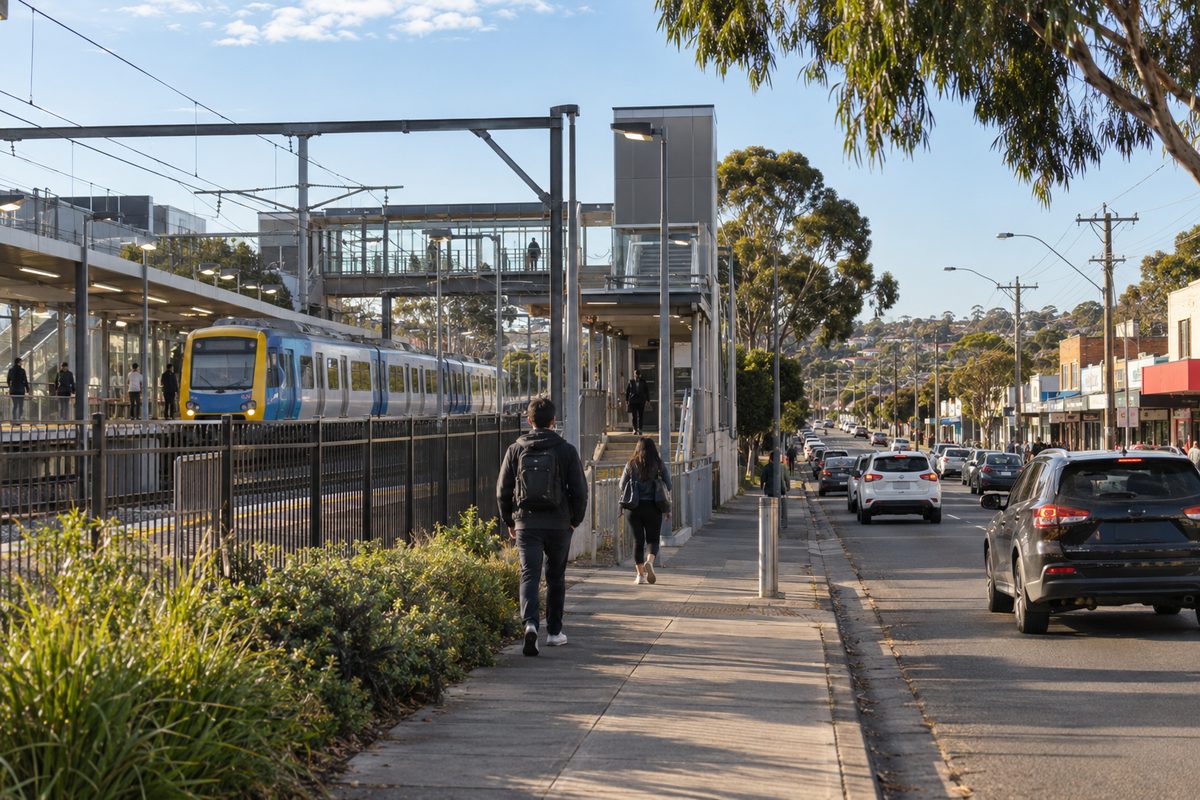
You get access. That is the core of the suburb. A station, a ring road, a big shopping centre and several arterial roads all sit within a short drive. Few suburbs at this distance from the city offer that mix.
What you do not get is a village feel. Thomastown grew around industry and housing for workers, and it still reads that way. Wide roads, factories, older brick homes and newer townhouses sit side by side.
One of my clients moved here from an inner-north rental. She wanted to buy and could not do it closer in. Her first comment after six months was simple: "I spend less and I still get to work on time." She also said she missed walking to a good coffee. That is the trade in one sentence.
What Amenities Are Close By?
Everyday needs are covered. Supermarkets, medical clinics, chemists, banks and takeaway food are all nearby. The suburb has a strong food scene rooted in its community. You will find South Asian grocers, bakeries and restaurants that serve real home-style cooking, often at fair prices.
For bigger shopping trips, Northland Shopping Centre is a short drive away and gives you department stores, a cinema and a large food court. It saves you a trip to the city for most purchases. Lalor, Victoria, the next suburb along, adds more local shopping and services, so you rarely need to go far.
Schools, childcare and sports clubs are plentiful. Quality varies by school, so check each one directly instead of trusting the suburb name. I tell clients to visit during a normal school day, not just on an open evening.
Where Do You Go for a Walk or a Ride?
The Darebin Creek Trail is the standout. It gives walkers, runners and cyclists a flat, sealed path beside the creek, away from traffic. One of my clients who took up cycling after moving here used it for his weekend rides and said it changed how he felt about the area. It gives the suburb a green edge it otherwise lacks.
Local parks and sports ovals fill in the rest. They are functional rather than grand, but they work for kids, dogs and weekend footy.
What Is Housing Like in Thomastown?
Housing is the main draw for many buyers. You will see older freestanding homes on decent blocks, plus units and townhouses. Prices have usually sat below those of suburbs closer to the city, which is why first-home buyers and investors look here. Check current listings and recent sales for real numbers, because the market moves.
The blocks are often bigger than you get nearer the city. That means room for a garden, a shed or a granny flat where council rules allow. For families who need space, this counts for a lot.
Older homes can need work. Look hard at roofing, plumbing and insulation before you buy. A cheap purchase price can turn expensive if the house needs a full renovation.
What Are the Real Trade-Offs?
Here is where honest advice matters. Thomastown has weak points, and glossing over them helps no one.
- Industrial feel. Parts of the suburb sit close to factories and warehouses. Truck traffic and noise can affect certain streets more than others.
- Car dependence. Even with the station, many daily errands are easier by car.
- Thin café culture. If you want a row of boutique cafés and bars on your doorstep, look elsewhere.
- Peak-hour traffic. Main roads clog at school and work times.
- Street-by-street variation. A street near the station feels very different from one beside an industrial estate.
Notice that most of these issues depend on the exact street. This is the biggest point most articles miss. People judge Thomastown as one block, when the experience changes sharply over a few hundred metres. A quiet cul-de-sac and a street backing onto a busy road share the same postcode and almost nothing else.
How Does Thomastown Compare With Nearby Suburbs?
Compare it to Lalor, Victoria and you find a similar price band and a similar practical feel. Lalor has its own station and shops, so the choice often comes down to which streets and homes you like best.
Compare it to Epping, Victoria and you see a different pattern. Epping sits further out, has more new estates and newer homes, and offers a longer trip to the city. You may pay a little less for a newer house, but you add travel time.
Compare it to Preston, Victoria and the gap is clear. Preston is closer in, has a stronger café and market scene, and costs more. You trade money for walkability and atmosphere.
Thomastown lands in the middle. It is cheaper and roomier than the inner north, and better connected than many outer suburbs.
Who Is Thomastown Best For?
Some groups do especially well here.
- First-home buyers who want to own without leaving the north.
- Families who need space and access to schools and sport.
- Commuters who want a direct train to the city.
- People who value cultural variety and affordable, authentic food.
- Cyclists and walkers who will use the creek path often.
It suits people less if they want quiet suburban streets with little traffic noise, a polished retail strip or a leafy, established feel. Those buyers usually do better in suburbs further east or closer to the city, and they pay for it.
I remember when one of my clients, a couple in their early thirties, came in sure they wanted a trendier suburb. Their budget would only get them a small unit there. In Thomastown, the same money bought a house with a yard and a ten-minute walk to the station. They took it and said the extra space was worth more to them than the cafés.
What Does Daily Life Feel Like?
Daily life here is practical and community-driven. Neighbours often have long local roots, and many families have been here for decades. Weekends fill with sport, family visits and shopping. There is a steady rhythm to the place.
The pace is slower than the inner suburbs and faster than rural fringes. You can reach the city in under an hour by train, and reach open space along the creek in a few minutes. That balance of reach is what residents tend to praise.
Services are handled by the City of Whittlesea, which maintains local parks, roads, waste collection and community facilities. It is worth checking the council's planning and rates information before you buy, especially if you plan to extend or subdivide.
How Should You Test the Suburb Before You Commit?
Do not decide from a listing or a map. Visit at three different times of day? No. Visit twice: once at the weekday morning peak and once on a quiet weekend. You will see the traffic, the noise and the real mood of the street.
Then do these checks:
- Walk from the property to the station and time it.
- Drive to your workplace at your actual commute hour.
- Stand on the street at dusk and listen for road or factory noise.
- Walk to the nearest park or the Darebin Creek Trail.
- Look at the nearest supermarket and school.
This takes a few hours and can save you years of regret. When we ran this test with clients, it often changed which street they picked, not whether they picked the suburb.
Your Next Step
Pick two or three streets that fit your budget, then run the two-visit test on each. Time the walk to the station, check the peak-hour drive and listen for noise. If the street passes, Thomastown will likely serve you well. If it fails, move one street over before you rule out the whole suburb.
Thomastown suits households that want everyday convenience and straightforward access to the rest of Melbourne, though it comes with some trade-offs. Rail transport is a central part of that appeal: Thomastown railway station, Melbourne sits on the Mernda line, which offers a direct service to Flinders Street railway station and the Melbourne central business district. By road, the Hume Highway, Plenty Road and the M80 Ring Road connect the suburb to northern and outer-metropolitan destinations, which helps with commuting and errands but also means traffic and road noise can affect some streets. Buyers and renters should weigh these transport advantages against their own travel patterns and preferred level of quiet.