Shopping in Thomastown: Local Strips, Groceries and Everyday Essentials
You can cover almost every weekly errand inside Thomastown itself, and you only need a bigger centre for clothes, electronics and a few special buys. The suburb works best when you split your shopping into two jobs: the daily top-up close to home and the occasional big trip further out. Get that split right and you save fuel, time and a lot of wasted Saturday mornings.
This guide covers the local side of that split. It explains where the everyday shopping sits in Thomastown, Victoria, how the strips and the main centre differ, and when it makes sense to leave the suburb.
How Is Shopping in Thomastown Actually Organised?
Thomastown has one main centre and several smaller clusters of shops spread across the suburb. That is typical for a suburb in the City of Whittlesea. It grew in stages, so shops sit where people settled rather than in one planned hub.
The anchor is the Thomastown Shopping Centre. It handles the big weekly jobs: a full supermarket trip, pharmacy items, bank errands and a quick bite. Around it and along nearby roads, smaller strips fill the gaps with bakeries, butchers, cafes, hardware and service shops.
Here is the simple rule I give people who move here. Use the main centre for volume and the strips for speed. A loaf of bread or a missing ingredient should never need a trip through a large car park.
Where Do You Do the Big Grocery Shop?
Most households do the main shop at one of the large supermarkets in the area. Coles Supermarkets are the name most locals mention first, because they are easy to reach and open long hours. Other chains and independent grocers sit close by, so you can compare prices without crossing the suburb.
One of my clients, a young couple who moved from the inner north, assumed they would need to drive to a bigger shopping precinct every week. They tried the local supermarket for a month instead. Their weekly spend barely changed, and they cut about forty minutes of driving. They now only leave the suburb for things they cannot buy locally.
Here is what I found works best for the main shop:
- Go early on a weekday morning. Car parks are calm and shelves are full.
- Check the specials online before you leave, then plan meals around them.
- Buy staples like rice, oil and tinned goods in the supermarket and fresh items elsewhere.
- Keep one reusable bag set in the car so you never fall back on impulse buys.
Why Do the Local Strips Matter More Than People Expect?
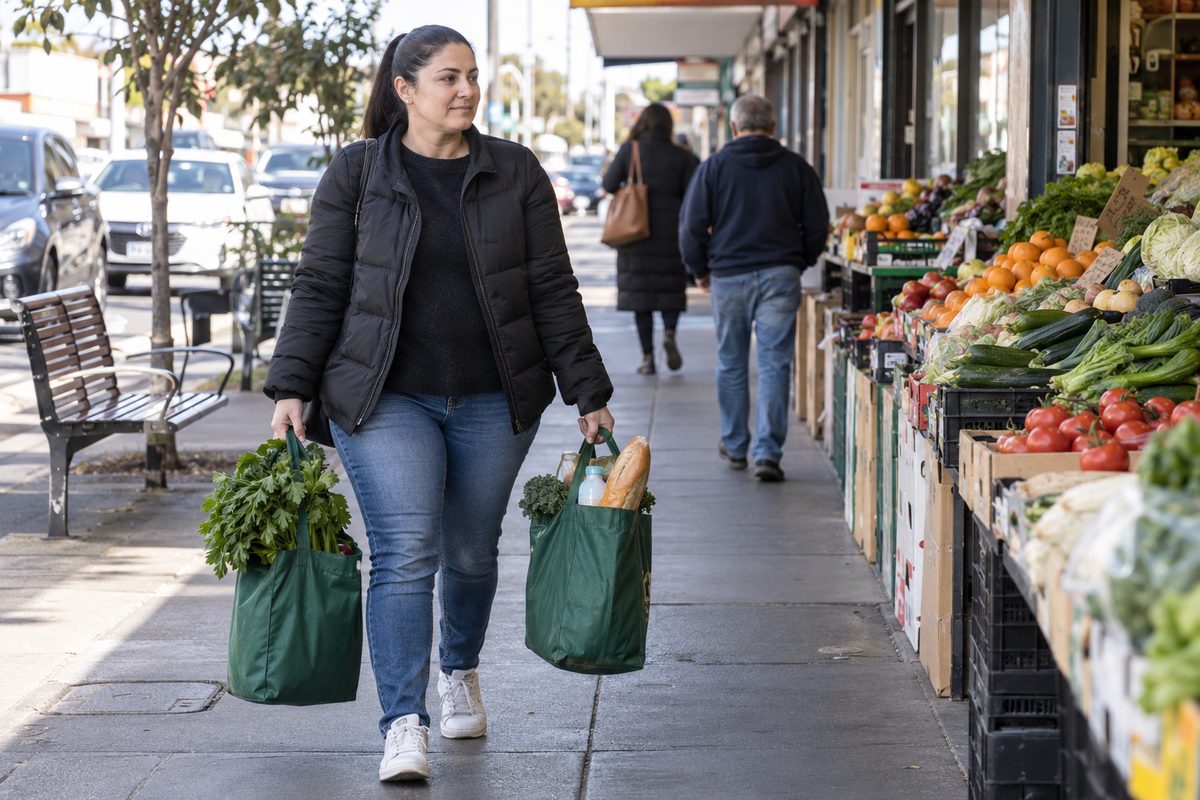
Strips are where the suburb shows its character. Newcomers often skip them and head straight for the big centre. That is a mistake, because strips often beat the supermarket on freshness, range and price for specific items.
Thomastown has a long migrant history, and the shops reflect it. You will hear the Greek language spoken at counters and in cafes, and you will see Greek and Italian delis and bakeries that have traded for decades. Newer arrivals have added their own shops, so Indian cuisine is easy to find, from takeaway kitchens to spice and grocery stores that stock ingredients the big chains do not.
When I tried shopping this way for a fortnight, I noticed two things. Specialty shops were often cheaper on herbs, spices, olives and cheese. And the staff gave better advice than a packaged label ever could. A butcher told me how long to rest a cut of meat. A grocer showed me which chilli suits which dish.
Strips also win on convenience. Parking is close, the shop is small, and you are in and out in ten minutes.
What Should You Buy Where?
A quick map of habits saves money. This is the split that works for most households I have talked to.
- Supermarket: dry goods, dairy, cleaning products, frozen food and anything you buy in bulk.
- Local strip: bread, fresh meat, fruit and vegetables, spices and anything you want to taste or smell before buying.
- Pharmacy and service shops: prescriptions, repairs, keys, tailoring and parcel pickups.
- Bigger centre: clothing, furniture, electronics and gifts.
A friend of mine used to do one giant shop every Sunday and throw out wilted vegetables by Thursday. She switched to a supermarket shop every ten days and two quick strip visits for fresh food. Her waste dropped and her bill dropped with it.
How Do You Get to the Shops Without a Car?
Thomastown suits car owners, but it works for people on foot and on trains too. The area sits on the Mernda line, so rail links make it simple to reach shops in neighbouring suburbs. Lalor railway station is the closest stop for anyone shopping on the Lalor side, and it connects easily to the surrounding bus routes.
Settlement Road is the main route to know. It runs across the area and links the local shops with other parts of the suburb and the surrounding roads. Buses use it, drivers rely on it, and many of the practical stops you need sit on or near it. If you are new, learn this road first. It becomes your mental anchor for everything else.
If you live without a car, do the local strip run on foot and order heavy items for delivery. In my experience, a shopping trolley bag and a weekly delivery of bulky goods covers nearly everything.
Does Lalor Change Your Shopping Options?
It does, and many residents treat the two suburbs as one shopping zone. Lalor, Victoria sits right next door, and the line between the two is easy to cross without noticing. A shop that feels local to a Thomastown household may be a street or two inside Lalor.
This helps you. If the supermarket you want is slightly closer on the Lalor side, use it. If a bakery over there makes the bread your family likes, stop in. Think of both suburbs as one pool of options and pick the closest one for each job.
When Is It Worth Driving to a Bigger Centre?
Sometimes the local options will not do. You need a full day for clothes, a new appliance or a gift, and a large centre gives you range under one roof. Three places come up most often in conversations with locals.
Westfield Plenty Valley is the big modern option to the north. It suits families who want a wide mix of fashion, homewares, cinemas and food in one trip. Epping, Victoria offers another large retail hub nearby, handy when you want big-format stores and easy parking. And the Northland Region draws people south for its large shopping centre and the cluster of stores around it.
Here is the test I use with clients. Ask whether the item needs comparison. If you want to try on five jackets or compare four televisions, drive to a big centre. If you are buying something you already know, buy it locally.
One client kept driving to a large mall for weekly groceries because she liked the atmosphere. When she added up the petrol and parking, plus the impulse purchases, she was spending an extra hundred dollars a month. She kept the mall for monthly outings and moved her weekly shop back home.
Where Do Hurstbridge and the Wider Rail Network Fit In?
Most people ask this when planning a day out rather than a grocery run. Hurstbridge, Victoria sits at the end of another suburban line, so it is not on your daily route from Thomastown. Still, it shows how the rail map works. The Mernda line serves your area, and the Hurstbridge line serves a different corridor, so check which line you need before you plan a shopping trip by train.
For everyday needs, you will not use that second line. Stay with local shops for essentials and take the train only when you want a change of scene.
What Mistakes Do New Residents Make?
I see the same errors again and again.
- Assuming bigger is cheaper. Large centres have more choice, but local grocers often win on fresh food.
- Ignoring the quieter strips. The best bakery or butcher is rarely beside the main car park.
- Shopping at peak times. Saturday late morning is the busiest window, so move your trip to early evening on a weekday.
- Driving for small items. A five-minute walk to a corner shop often beats a ten-minute drive plus parking.
What nobody tells you is that the cheapest week of shopping comes from knowing three or four specific shops well, not from hunting specials across the whole region. Loyalty brings small discounts, better advice and the occasional extra loaf.
How Do You Build a Simple Shopping Routine?
A routine removes the daily decision. Here is the one that has worked for households I know.
- Pick one main supermarket and do a planned shop every week or ten days.
- Choose two local strip shops for fresh food and visit them midweek.
- Keep a running list on your phone so you never buy twice.
- Save big-centre trips for a monthly outing with a clear list.
When I set this up for a family who had just moved in, they told me the first month felt slower. By month two, they said they had never felt so organised. The suburb was set up for this all along. They just needed a system.
Your Next Step
This weekend, walk or drive to one local strip you have never visited and buy one fresh item there. Then compare the price and quality with your usual supermarket. Repeat it with a second shop next week. Within a month you will know exactly where to buy each item, and your routine will cost you less time and less money.
For a broader view of the suburb, return to The Thomastown Guide.
Thomastown residents can handle most weekly errands close to home, from groceries and fresh produce to pharmacy items and household basics. A larger Shopping center usually brings supermarkets, specialty stores and services together in one place, while smaller local strips suit quick top-up visits for bread, milk and other everyday essentials. Choosing between them often comes down to how much you need to buy, how much time you have and how convenient parking and access are.