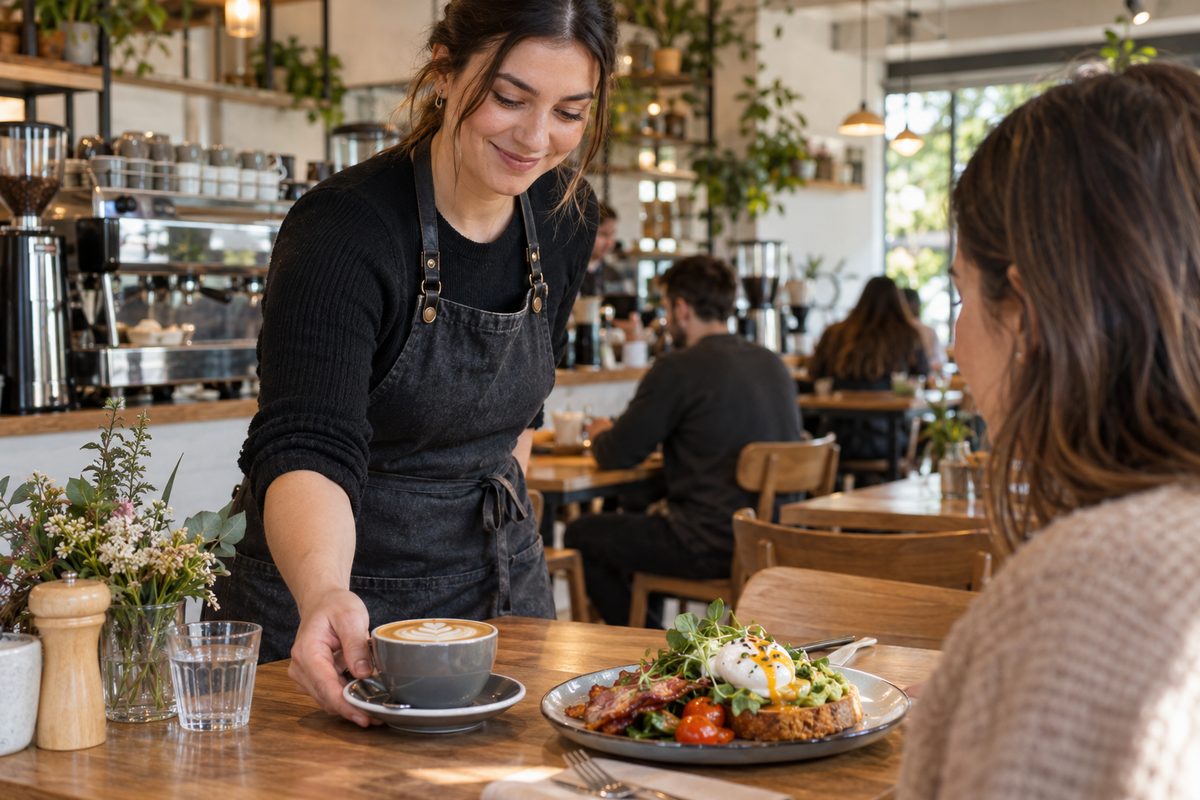
Cafés in Thomastown: Where to Find Coffee, Breakfast and Brunch
The best cafés in Thomastown sit along the main shopping strips, inside local shopping centres and in the small Middle Eastern bakeries and eateries that line the busier roads. You will find a flat white and eggs on toast, but you will also find strong Turkish coffee and a plate of Lebanese-style breakfast that most inner-city menus never offer. That mix is the real draw of Thomastown, Victoria.
This guide skips the suburb history. It tells you what to order, where to look and how to pick a good spot without relying on a famous name.
What Kind of Café Scene Does Thomastown Have?
It is a working suburb's café scene. Cafés here serve tradespeople at 6:30am, parents after school drop-off and families who linger on weekends. You will not find many places built around a styled Instagram corner. You will find generous plates, fair prices and owners who know their regulars.
Thomastown sits in the City of Whittlesea, in Melbourne's north. The area has a strong mix of cultures, and the food reflects that. Italian-style espresso bars sit near bakeries run by Middle Eastern families. Several menus blend both worlds on one page.
I know this because one of my clients moved from the inner north and expected to drive back for good coffee every weekend. Within a month she had two local spots she liked better, mostly because the portions were bigger and nobody rushed her table.
Where Should You Look First?
Start with three kinds of locations, then add the odd one out.
Look at the main road strips first. Cafés on busy roads tend to open early and serve workers, so the coffee has to be reliable. A café that is full at 7am on a Tuesday is a good sign.
Look inside and beside the local shopping centre next. Every shopping center in the area has at least one café, and some have several. They are easy to park at, easy with prams and open long hours. The coffee quality varies, so judge each one on its own.
Then check the streets around Thomastown railway station. Commuters create steady morning trade, and cafés near the platform often sell quick breakfast rolls and takeaway coffee. If you have time, walk one block further. The quieter spots a short stroll from the station often have better seating and fewer queues.
Last, look at the bakeries and Middle Eastern eateries. Many of them have a small dining area and serve breakfast that does not appear on standard café menus. Do not walk past them because the signage looks plain.
What Should You Order for Coffee?
Order what the place is known for. A standard espresso bar will make a good flat white, long black or cappuccino. A Middle Eastern café will often make something quite different.
Turkish coffee is the one to try. It is made with finely ground beans simmered in a small pot and poured into a small cup, grounds and all. It is thick, strong and slightly sweet if you ask for sugar. Let the grounds settle before you drink, and stop before the last sip.
When I tried it for the first time, I made the mistake of stirring it. That mixed the grounds back in and made every sip gritty. Leave it alone. Sip slowly. It pairs well with a sweet pastry or a small plate of dates and cheese.
If strong coffee is not your thing, ask for a milk-based drink or a tea. Most places will happily oblige.
What Does Breakfast Look Like Here?
Breakfast splits into two styles, and both are worth knowing.
The first is the classic Australian café plate. Eggs as food are the backbone of it: poached, scrambled or fried on sourdough, often with bacon, mushrooms, tomato or a side of greens. Prices are usually lower than the inner suburbs, and the serves are large. Order the eggs the way you like them and say so clearly. Cooks here respond well to simple requests.
The second style comes from Middle Eastern cuisine. This is where Thomastown stands apart. Think of warm flatbread straight from the oven, labneh, olives, cucumber and tomato, fried eggs with spiced sausage, and fool or hummus bowls. Lebanese cuisine in particular gives you manoushe, a flatbread baked with za'atar, cheese or minced meat. It is cheap, filling and made for sharing.
Here is a tip most guides miss. If you go with a group, order one café plate and two or three shared Middle Eastern dishes. You get variety, you spend less and nobody leaves hungry. One of my clients tried this with a group of work friends and said it changed how they chose where to eat on Fridays.
Which Brunch Dishes Are Worth Ordering?
Brunch menus in the area lean familiar, and that is a strength. Kitchens cook the same dishes day after day, so they get them right.
Eggs Benedict is the benchmark. Poached eggs, hollandaise, ham or spinach on a toasted muffin or sourdough. The test is the hollandaise. It should be smooth, warm and lemony, never thick or cold. If the first Benedict you try is good, the kitchen probably knows what it is doing across the whole menu.
Avocado toast is on almost every menu, and it is a fair way to compare cafés. Look at the bread, the seasoning and what else is on the plate. Feta, a poached egg, chilli flakes or lemon make a difference. A plain smear on cold toast is a warning sign.
French toast is the sweet option, and it often comes with berries, maple syrup, cream or caramelised banana. The best versions use thick bread soaked properly, so the middle stays soft while the edges crisp. If it arrives dry, the kitchen rushed it.
My rule is simple. Order one savoury dish and one sweet dish for the table. Share both. You learn more about the kitchen in one meal than from ten online reviews.
How Do Middle Eastern Cafés Differ From Standard Ones?
The pace is different. Service is warm, but plates arrive when they are ready, not in a strict order. Bread is the centre of the meal, and you tear it, scoop with it and share it.
The menus also run longer on savoury food and shorter on sweet. You will see more cheese, herbs, olive oil, grilled meat and pickles. Fewer places offer big stacks of pancakes. Many do offer desserts, such as pastries soaked in syrup, which suit a Turkish coffee well.
Do not worry about ordering wrong. Staff are used to first-timers and will point you to a good starting plate. Ask what is freshest. That question gets you the best thing in the kitchen almost every time.
How Do You Reach Thomastown Cafés by Train?
Thomastown railway station is on the Mernda line, which runs from the Melbourne central business district out to the northern suburbs. Trains stop at the station regularly through the day, so a weekend brunch trip from the city is easy.
Here is how I plan it. Take a train from the Melbourne central business district, get off at Thomastown, and walk to a café within a short distance of the platform. If you want more options, the stations either side of it open up different areas. Lalor, Victoria is the neighbouring suburb toward the city, and it has its own strips of cafés and bakeries. Epping, Victoria lies further north and has a larger retail area with plenty of places to eat.
A coffee crawl across all three suburbs works well on a Saturday. Pick one café in each suburb, order the same dish at every stop and compare. You will quickly learn which kitchens you trust.
If you drive, parking near the shopping strips is usually easier than in the inner suburbs. Early mornings are the simplest.
When Is the Best Time to Go?
Weekday mornings between 7am and 9am are busiest at the commuter-focused places. Service is quick, but seating is tight. For a slower meal, go between 9:30am and 11am on a weekday.
Weekends fill from about 9am. Families arrive in groups, and larger tables go first. Arrive before 9am or after 11am and you will usually find a seat without waiting.
Bakeries often sell out of their best items by mid-morning. If you want fresh manoushe or a specific pastry, go early. What I found was that the same café can feel like two different places depending on the hour.
How Do You Pick a Good Café Without a Recommendation?
Use five quick checks before you sit down.
- Look at the crowd. Locals who return are the best review.
- Check the menu length. A short, focused menu usually means fresher food.
- Watch the coffee machine. A clean group head and a barista who tamps and times the shot are good signs.
- Look at the plates leaving the kitchen. Fresh colour and decent portions tell you plenty.
- Order the simplest dish first. If the toast and eggs are right, trust the rest.
Ignore star ratings that rely on only a handful of reviews. A café with fifteen enthusiastic reviews is not proven. A café that has been busy for years is.
What Common Mistakes Should You Avoid?
The first mistake is judging a café by its shopfront. Some of the best food in the suburb comes from plain rooms with no sign of polish. Walk in.
The second is sticking only to what you know. If you always order a flat white and avocado toast, try a Turkish coffee and a shared flatbread once. You may change your regular order.
The third is leaving too late. Good kitchens run out of popular items, and the best seats go by mid-morning.
The fourth is skipping the shopping centre options. Some of them serve solid coffee, have plenty of space and suit families with young children. Treat them as a fair choice, not a fallback.
Your Next Step
Pick one Saturday and plan a two-stop morning. Start with a standard café for eggs Benedict or avocado toast. Then walk to a Middle Eastern bakery or eatery for Turkish coffee and a shared flatbread. Take notes on what you liked, and repeat in a different part of the suburb next week.
After four weekends you will have your own shortlist, and it will be better than any list written by someone else. For more on the suburb itself, start at the Thomastown guide.
Thomastown's café scene is shaped by its everyday rhythms, with many spots clustered near shopping strips and transport links, including Thomastown railway station, Melbourne, which makes it easy to grab a coffee before a commute or settle in for a relaxed breakfast or brunch afterwards.